


Birthright citizenship is the legal right of every child born on U.S. soil to be recognized as a U.S. citizen — regardless of the immigration status of their parents. Guaranteed by the Fourteenth Amendment for over 150 years, this right is now at the center of one of the most contested legal battles in modern U.S. immigration history. As of 2026, a federal executive order is attempting to narrow who qualifies. Texas families need to understand what the law says today, what has changed, and what they can do to protect their children’s citizenship rights.

What Does the 14th Amendment Actually Say?
The Fourteenth Amendment, ratified in 1868, contains the Citizenship Clause: “All persons born or naturalized in the United States, and subject to the jurisdiction thereof, are citizens of the United States and of the State wherein they reside.” For over a century, this clause has been interpreted to mean that any child born on U.S. soil is automatically a U.S. citizen. This is the foundation of birthright citizenship in the United States. The only historical exceptions have been children born to foreign diplomats immune from U.S. jurisdiction. For the vast majority of Texas families — documented or undocumented — the 14th Amendment has always applied.
Practical rule: If your child was born in the United States, they are a U.S. citizen under the 14th Amendment. That has not changed — but challenges to this right are actively moving through federal courts right now.
Trump’s Executive Order on Birthright Citizenship
On January 20, 2025, President Trump signed Executive Order 14160, titled “Protecting the Meaning and Value of American Citizenship.” The order attempts to limit birthright citizenship for children born to parents who are both undocumented or both on temporary visas. The order was set to apply to babies born 30 days after signing. It does not apply retroactively. The order was challenged in federal court within hours of being signed and has not taken effect due to ongoing injunctions.
What the Courts Have Decided — Timeline
| Date | What Happened |
|---|---|
| Jan. 20, 2025 | Trump signs EO 14160. Multiple lawsuits filed the same day by states, immigrant rights groups, and individuals. |
| Feb. 5–13, 2025 | Three separate federal judges issue universal injunctions blocking the order across the entire country. |
| June 27, 2025 | Supreme Court rules in Trump v. CASA that universal injunctions likely exceed lower court authority — but does NOT rule on whether EO 14160 is constitutional. |
| July 10, 2025 | A new class-action nationwide injunction is issued, again blocking the order from taking effect. |
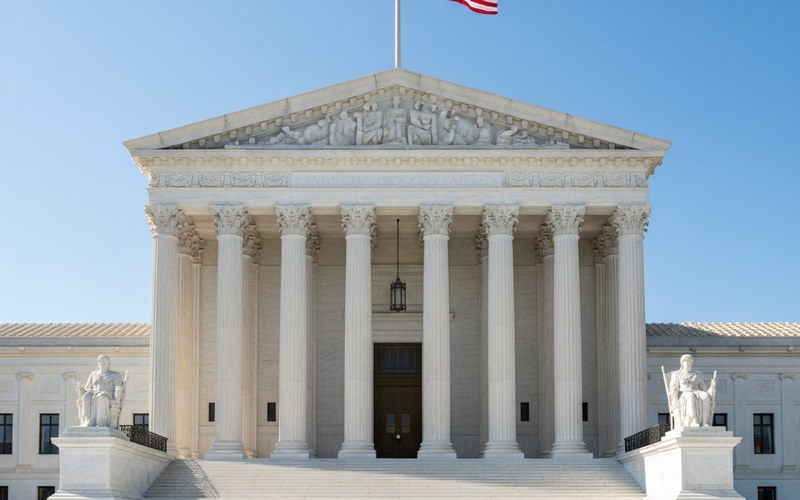
| April 1, 2026 | Supreme Court hears oral arguments on the constitutionality of EO 14160. Justices appear likely to side against Trump per SCOTUSblog reporting. |
Practical rule: The birthright citizenship executive order is currently blocked by federal courts. Children born in the U.S. today are still recognized as U.S. citizens — but the Supreme Court’s final ruling could change the landscape.
What This Means for Texas Families Right Now
Texas has one of the largest immigrant populations in the country. Even while the order remains blocked, the uncertainty it created has caused real fear for thousands of Houston families. Here is what you need to know:
Children Born Before the Order Takes Effect
Your child’s birthright citizenship is not affected. The order is not retroactive. If your child was born in the U.S., they are a U.S. citizen and their status is secure.
Documentation Is Critical
Regardless of the legal outcome, every U.S.-born child should have a certified U.S. birth certificate. You can request a certified copy from the Texas Department of State Health Services. A birth certificate is the primary evidence of birthright citizenship and the document that protects your child’s rights in every future government interaction.
Apply for a U.S. Passport Now
A U.S. passport is the strongest proof of citizenship. Applying now — while birthright citizenship is still unambiguously protected — creates an official federal record. The U.S. Department of State passport process for minors requires the child’s birth certificate and parental consent.
Practical rule: Do not wait for the Supreme Court ruling. Secure your child’s birth certificate and passport now. Consult an attorney if there is any gap in their documentation.
Common Questions About Birthright Citizenship in Texas
| Question | Answer |
|---|---|
| Is my child still a U.S. citizen if I am undocumented? | Yes — as of June 2026, the executive order attempting to change this is blocked by federal courts. Your child’s citizenship is still protected under the 14th Amendment. |
| Does Trump’s executive order affect children already born? | No. The order is not retroactive. It was written to apply only to children born after a future effective date, which has not been reached. |
| What if I am on a work or student visa? | Under EO 14160, children born to two parents on temporary visas could be excluded — but again, this order is currently blocked and has not taken effect. |
| Can I apply for a U.S. passport for my child if I am undocumented? | Yes. Your child’s passport application is based on their citizenship, not yours. You will need their birth certificate and standard consent documents. |
| Will my child’s citizenship help my own immigration case? | Not immediately. A U.S. citizen child cannot petition for a parent until they turn 21. However, it is a long-term immigration pathway worth planning for now. |
Protect Your Family’s Future with Zavala Law Firm
The legal battle over birthright citizenship is not over. The most important thing you can do right now is get legal guidance before the situation becomes urgent. Zavala Law Firm, PLLC has helped hundreds of Houston-area families navigate exactly these situations. Call (713) 766-6720 today or visit the contact page to schedule a consultation with attorney Eliud Zavala.
About Zavala Law Firm, PLLC: Zavala Law Firm is a Houston-based immigration law firm founded by attorney Eliud Zavala. The firm serves the greater Houston area with family petitions, work visas, deportation defense, and citizenship matters in English and Spanish.