

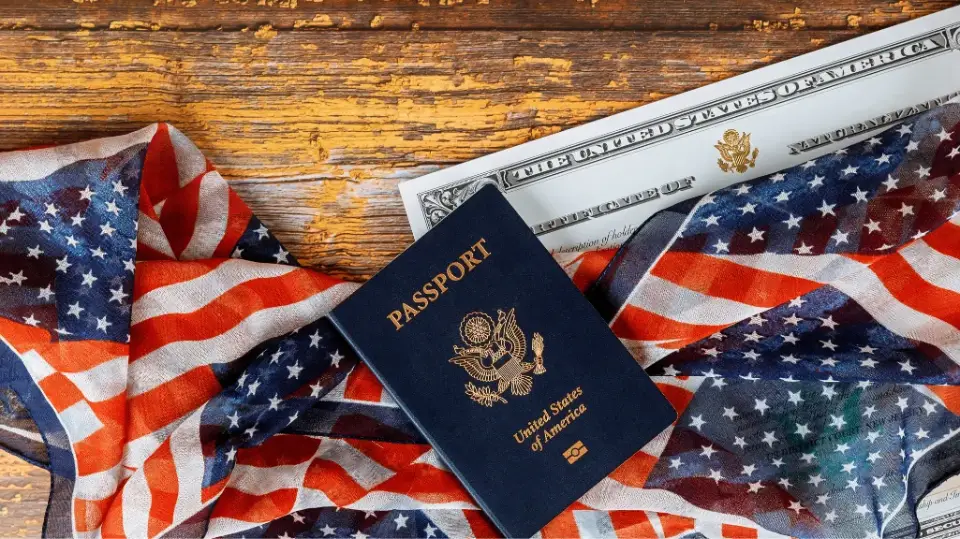
Applying for U.S. citizenship through naturalization starts with Form N-400. The filing fee is $760 if you file on paper or $710 if you file online, and biometrics are included in that fee. To be eligible, you generally need to have held a green card for at least five years, or three years if you are married to and living with a U.S. citizen. You also need to show continuous residence, physical presence, good moral character, and pass an English and civics test. For Houston residents, naturalization interviews take place at the USCIS Houston Field Office on Gears Road. As of October 2026, USCIS reports that the Houston office completes 80% of N-400 applications within 12 months. I have helped hundreds of clients through this process, and the most common mistake is waiting longer than necessary to file. You can file up to 90 days before you reach your three-year or five-year mark.
What Is Naturalization?
Naturalization is the legal process of becoming a U.S. citizen if born outside the country. It gives the same rights and responsibilities as those born in the United States. This includes the right to vote and apply for a U.S. passport. It also means protection under the Constitution. The first step is knowing if eligible.
Who Can Apply?
A green card is required first. In most cases, it must be held for at least five years. If married to a U.S. citizen, it can be only three years. The applicant must be 18 or older. Time spent in the U.S. matters. At least 30 months of the past five years must be spent inside the country. For spouses, it’s 18 months out of three years. The person must also have lived in the same state or USCIS district for at least three months before applying. A history of good moral character is required. Crimes, false claims, and unpaid taxes can cause problems. English skills are tested. Basic reading, writing, and speaking are needed. U.S. history and government are covered on the civics test. If you file on or after October 20, 2025, you take the 2025 civics test: the officer asks up to 20 questions from a list of 128, and you must answer 12 correctly to pass. There are exceptions for age and time as a permanent resident. If you are 50 or older with 20 years as a green card holder, or 55 or older with 15 years, you are exempt from the English test and can take the civics test in your own language. If you are 65 or older with 20 years as a green card holder, you study a shorter list of 20 civics questions.
How to Start the Process
Start by filling out Form N-400, the Application for Naturalization. You can file it online through a USCIS online account or by mail. Attach a copy of both sides of your green card. Applicants who live outside the United States include two passport-style photos; everyone else is photographed at the biometrics appointment, and USCIS may ask for printed photos later. The filing fee is $760 on paper or $710 online. If your household income is at or below 400% of the Federal Poverty Guidelines, you can request a reduced fee of $380, and some applicants qualify for a full fee waiver using Form I-912. To request a reduced fee or a waiver, you must file on paper. After filing, a receipt notice arrives. That notice also extends your green card for 24 months past the expiration date printed on the card. Then comes a biometrics appointment for fingerprints and photos. The next step is the interview. An officer goes over the application and asks questions. The English and civics tests happen during this visit. If all goes well, the officer gives a decision at the end. Sometimes more evidence is requested. If approved, the final step is the oath ceremony. This is a special moment. Swearing the Oath of Allegiance means full citizenship. A naturalization certificate is given right after. This certificate is important. It proves U.S. citizenship. Keep it safe. Use it to apply for a U.S. passport or update Social Security records.
What If the Application Is Denied?
A denial is not the end. You can request a hearing before a different USCIS officer by filing Form N-336 within 30 calendar days of receiving the denial. The fee is $830 on paper or $780 online. It is also possible to reapply. Often, fixing the issue first is the better path.
Why This Process Matters
Citizenship through naturalization is more than a legal step. It is the final piece in a journey. People leave behind homes, face hard choices, and build lives in a new land. Like those who came through Ellis Island over a hundred years ago, today’s immigrants seek a place to belong. The process may seem long. But it ends with a new beginning. A new chapter as an American. The process can feel overwhelming. Mistakes can delay approval or cause denials. Legal help can make a difference. Learn more about your options and rights by visiting Zavala Law Firm, PLLC. Take the first step toward U.S. citizenship today.