

Working through a 3 year 10 year bar immigration penalty requires understanding how unlawful presence triggers a reentry bar when an undocumented individual departs the United States. If you accrued more than 180 days of unauthorized stay, leaving the country automatically prevents your lawful return unless you secure a legal exemption. We know how terrifying this situation feels for you and your family as you plan your future together. Fortunately, federal immigration laws provide pathways such as an I-601A waiver or provisional waiver to help keep families united while seeking lawful status.
Understanding Unlawful Presence and Reentry Penalties
Understanding federal immigration standards starts with knowing how unauthorized stay is calculated under United States law. When someone remains in the country without legal authorization, the government counts every day as accrued unauthorized stay. I know what this feels like for families in Houston because my mother and I made our own journey from Monterrey, Mexico, facing the constant weight of immigration rules. We want you to feel empowered with accurate legal knowledge when facing a 3 year 10 year bar immigration situation.
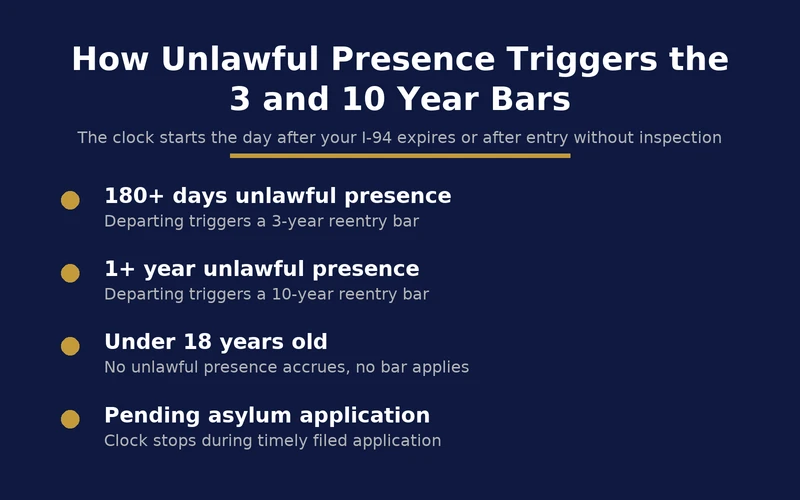
Federal statutes under INA 212(a)(9)(B) set specific time thresholds that dictate whether an individual faces temporary inadmissibility upon departure. A 3 year 10 year bar immigration case hinges entirely on how many days of unauthorized stay accumulated prior to exiting the border. Recognizing these boundaries helps families make informed decisions about their legal status, avoiding unexpected separation during consular processing abroad.
Many immigrant families mistakenly believe that simply living in the United States without papers automatically triggers an immediate penalty. However, the legal consequence remains dormant until you physically exit the country. By reviewing your personal timeline with experienced legal counsel at Zavala Immigration Law Firm, you can determine where you stand and evaluate available relief options.
Definition of Accrued Unlawful Time
Accrued unauthorized stay refers to any period spent in the United States without valid immigration status or authorized stay granted by federal authorities. This clock begins ticking either the day after an authorized visa stay expires or immediately upon entering the country without inspection. Knowing your exact entry date is essential for calculating exposure under 3 year 10 year bar immigration rules.
Federal regulations published by USCIS.gov specify that time spent under protected statuses does not count toward unauthorized stay accumulation. For example, individuals holding temporary protected status or valid pending applications stop accruing unauthorized days while those matters remain pending. Keeping detailed records serves as your primary defense when establishing immigration history.
- Crossing the border without inspection begins unauthorized day accumulation immediately on arrival.
- Remaining in the United States past the date stamped on Form I-94 starts the clock on the expiration date.
- Filing a timely application for status extension pauses the accumulation of unauthorized days during adjudication.
- Receiving a formal notice of decision from an immigration judge establishes an official finding of status violation.
How Overstaying a Visa Differs From Unauthorized Entry
Entering the country with a valid visa and remaining past the authorized period creates a different legal posture than entering without inspection. When you enter with a visa, official border officers inspect and admit you, creating an official record of entry. This distinction plays a major role when determining whether you can seek adjustment of status inside the United States.
In contrast, individuals who enter without inspection generally cannot complete their green card process inside the country unless protected by special legacy provisions. Instead, they must travel abroad for an embassy interview, which triggers the reentry bar upon departure. Understanding this difference explains why similar families follow different legal pathways under 3 year 10 year bar immigration procedures.
We work closely with families across Houston to evaluate how initial entry impacts legal strategy. Whether you entered through an airport or crossed a land border, examining every detail allows us to build an effective legal roadmap tailored to your specific circumstances.
Common Misconceptions About Staying in the Country
One of the most widespread myths in immigrant communities is that living in the United States for many years automatically grants legal status. While long-term presence provides evidence for certain court proceedings, length of stay alone does not erase a 3 year 10 year bar immigration penalty. Relying on incorrect advice often leads to avoidable deportation proceedings or permanent separation.
Another common misconception involves believing that marrying a United States citizen automatically wipes away all prior unauthorized stay. While marriage to a citizen creates eligibility for an immigrant visa, it does not eliminate statutory inadmissibility. If you must leave the country for an embassy interview, you must obtain an approved waiver before departing.
Our team at our East Freeway location regularly meets with clients who were misinformed by bad advice elsewhere. We provide direct legal evaluation so you know your exact options without taking uncalculated risks.
Practical rule: Unlawful presence does not start accumulating automatically for visa holders until an official decision or expiration date confirms the status violation.
Triggers for the Three Year and Ten Year Inadmissibility Penalties
The statutory provisions governing INA 212(a)(9)(B) create two distinct temporal thresholds for inadmissibility. The specific penalty you face depends directly on the total accumulation of unauthorized days prior to departing the United States. Knowing these distinct thresholds enables you to understand how federal officers evaluate your 3 year 10 year bar immigration case during visa processing.
I know how frightening it is to realize that leaving the country might keep you away from your children or spouse for years. My practice was built specifically to protect Houston families from being torn apart by strict federal rules. Here is what you need to know about how these statutory timeframes operate in real world cases.
Statutory authorities outlined under law.cornell.edu distinguish between short term unauthorized stays and long term presence. Both statutory bars require physical departure from United States territory to take effect, meaning remaining in the country does not execute the bar itself.
The Three Year Reentry Bar Threshold
The three year bar applies to individuals who accrue more than 180 days but less than one full year of continuous unauthorized stay in the United States. If an individual in this category voluntarily departs before formal removal proceedings begin, they become inadmissible for three years from departure. This rule aims to encourage individuals with shorter stays to depart voluntarily.
Calculating this period requires precision down to the exact day. If you accrued 179 days of unauthorized stay, you do not face a three year penalty upon leaving. However, if your stay reaches 181 days, departing triggers the three year rule automatically under 3 year 10 year bar immigration regulations. Obtaining professional legal calculations before traveling is essential.
For individuals facing a three year bar, seeking a provisional waiver while remaining inside the United States provides a clear method to secure approval before traveling abroad for an immigrant visa interview.
The Ten Year Reentry Bar Threshold
The ten year bar applies to any individual who accrues one full year or more of continuous unlawful presence in the United States and subsequently departs the country. Because one year equals 365 days, exceeding this threshold results in a full decade of inadmissibility upon crossing the border. This penalty applies regardless of whether departure was voluntary or under removal.
Because many long-term Houston residents have lived in Texas for five, ten, or twenty years, virtually all undocumented individuals who have lived here long term fall under the ten year provision. Managing a 3 year 10 year bar immigration situation for long term residents almost always involves the ten year penalty rather than the three year version.
Facing a decade away from your home, job, and family can seem like an impossible obstacle. However, federal law provides a specific waiver mechanism designed to unite eligible families by waiving this ten year inadmissibility period when severe hardship is proven.
Physical Departure as the Required Trigger Event
It is essential to understand that unauthorized stay alone does not execute a reentry bar while you remain inside the United States. The statutory penalty remains completely inactive as long as you stay within United States borders. The exact moment you step across the border or board an international flight, the statutory bar activates immediately.
This departure requirement creates a risk for uninformed individuals who travel abroad for routine family visits or emergency events. Once an individual leaves United States soil, border authorities cannot grant an immigrant visa or permit reentry until the required bar expires or a waiver is formally granted.
Before making any plans to leave Texas or cross an international boundary, you should consult with our attorneys at our Greenspoint location to review departure risk and ensure legal protections are firmly in place.
Practical rule: Remaining inside the United States while unlawful presence accrues never triggers the reentry bar until you physically cross the border to leave.
| Period of Unauthorized Stay | Triggering Action | Statutory Bar Duration | Primary Waiver Pathway |
|---|---|---|---|
| 1 to 180 Days | Departure from U.S. | No Statutory Bar | No Waiver Needed |
| 181 to 364 Days | Voluntary departure | 3 Years Outside U.S. | Form I-601A or Form I-601 |
| 365 Days or More | Any Departure from U.S. | 10 Years Outside U.S. | Form I-601A or Form I-601 |
| Multiple Entries after 1 Year Total | Reentry without Inspection | Permanent Bar (10 Yr Wait) | Form I-212 (After 10 Years) |
| Order of Removal Executed | Deportation or Removal | 5, 10, or 20 Years | Form I-212 + Form I-601 |
Exceptions and Tolling Periods in Immigration Regulations
Federal law establishes specific statutory exceptions where time spent in the United States without formal status does not count as unauthorized stay. These statutory protections ensure that vulnerable individuals and children are not unfairly penalized under INA 212(a)(9)(B) rules. Recognizing these exemptions is vital when calculating total days in the country for a 3 year 10 year bar immigration assessment.
We know that reading immigration statutes can feel overwhelming when your family’s future hangs in the balance. As an attorney who experienced the immigration process firsthand, I take pride in breaking down these technical rules so you understand every protection available to you.
Statutory guidance provided by USCIS.gov outlines several key categories where the unauthorized presence clock is legally paused or completely exempt from accumulation.
Minor Children and Victims of Domestic Abuse
Under federal immigration statutes, individuals under eighteen years of age do not accrue unlawful presence for purposes of the three year or ten year bars. No matter how many years a child lives in the United States without status prior to their eighteenth birthday, those childhood years are completely exempt by law. The unauthorized stay clock begins ticking only on the eighteenth birthday.
Special protections also apply to survivors of domestic violence under the Violence Against Women Act (VAWA). Self-petitioners who demonstrate a clear connection between domestic abuse suffered and unauthorized stay are exempt from inadmissibility penalties under federal law. This provision allows victims to seek legal status without fear of being barred.
- Minors under 18 years of age accrue zero unlawful presence under federal law.
- Approved VAWA self-petitioners facing abuse by a spouse or parent receive statutory protection.
- Victims of severe human trafficking who qualify for T nonimmigrant status are exempt.
- Applicants granted Family Unity protection do not accrue unauthorized days during coverage.
Asylum Applicants with Pending Claims
Individuals who submit a non-frivolous application for asylum generally do not accrue unlawful presence while their application remains pending with immigration authorities. This protection applies provided the applicant was not employed without authorization during the pending period. This statutory tolling allows asylum seekers to pursue protection without accruing penalties under 3 year 10 year bar immigration provisions.
If an asylum application is ultimately denied by an asylum officer or immigration judge, accrual of unauthorized days resumes following the final decision. However, all time spent waiting for an official decision under a non-frivolous filing remains protected. Keeping copies of asylum receipt notices verifies this protected timeframe.
Beneficiaries of Deferred Action and Family Unity Programs
Recipients of Deferred Action for Childhood Arrivals (DACA) receive authorized stay protection during the valid duration of DACA grants. While DACA does not grant permanent legal status, it pauses accumulation of unauthorized days while active. Young adults receiving DACA before turning eighteen and eight months often have zero accrued unauthorized days, allowing adjustment without a waiver.
Similarly, individuals protected under Temporary Protected Status (TPS) or Family Unity programs do not accumulate unlawful presence while maintaining valid grants. These programs offer stability for thousands of Houston families, giving them time to pursue permanent solutions through family-based immigration pathways.
Eligibility for the Provisional Waiver Form
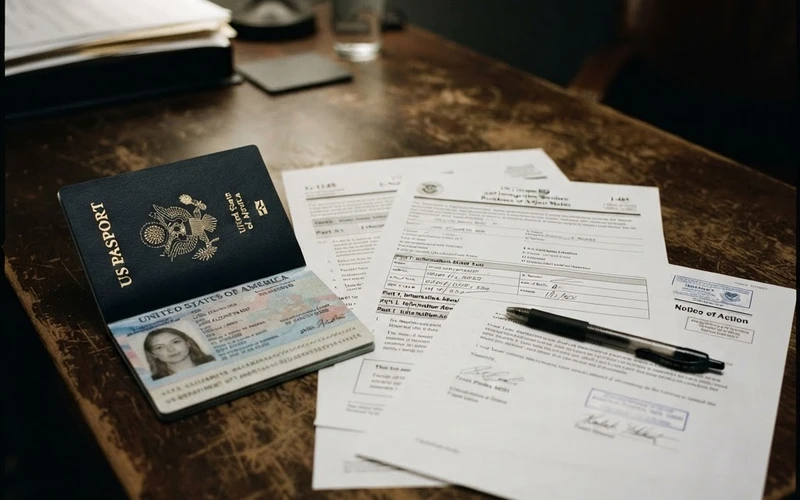
Prior to 2013, individuals facing a 3 year 10 year bar immigration penalty had to leave the United States and apply for a waiver at an overseas embassy, enduring months or years of painful family separation. The creation of the provisional waiver process transformed family immigration by allowing eligible applicants to apply for relief inside the United States before departing for their interview.
I know what a difference this process makes for parents, spouses, and children who cannot bear the thought of being separated indefinitely. Securing a provisional waiver approval before leaving Houston gives you confidence of knowing that your return visa is virtually assured before boarding your flight.
Federal regulations detailed on travel.state.gov require strict adherence to procedural steps when filing Form I-601A. Completing this process correctly inside the United States safeguards your family against unexpected delays during consular processing abroad.
Qualifications for Immediate Relatives of U.S. Citizens
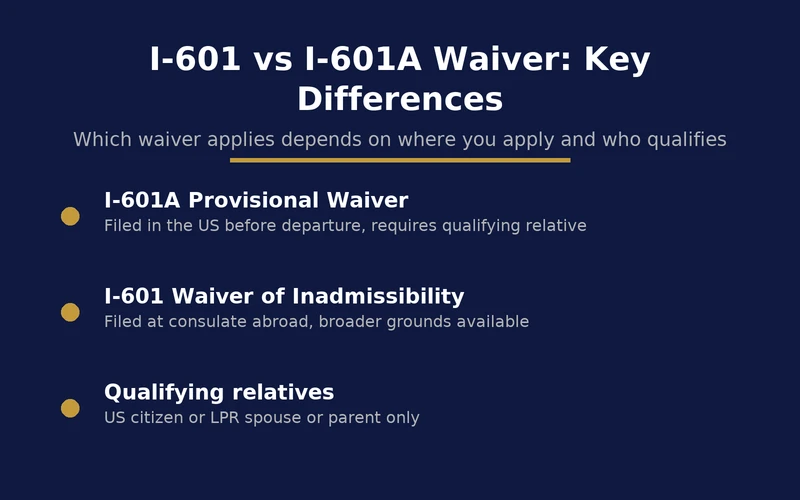
To qualify for a provisional waiver using Form I-601A, an applicant must be physically present in the United States and at least seventeen years of age. You must have an approved immigrant visa petition, such as Form I-130 filed by a United States citizen or lawful permanent resident family member, and an active immigrant visa case with the National Visa Center.
Essentially, the I-601A waiver is specifically designed to waive only the unauthorized presence grounds of inadmissibility under Section 212(a)(9)(B). If an applicant has additional grounds of inadmissibility, such as criminal convictions or prior fraud, they cannot use the provisional process and must pursue standard waivers abroad.
- Physical presence inside the United States at the time of filing and biometrics submission.
- An approved Form I-130 or Form I-360 immigrant visa petition.
- An active immigrant visa case with fee payment confirmation from the National Visa Center.
- Demonstrable extreme hardship to a U.S. citizen or permanent resident spouse or parent.
Filing Requirements Before Leaving the United States
The primary advantage of the Form I-601A process is that adjudication takes place entirely while you remain at home with your family in the United States. You submit financial, medical, and psychological evidence to USCIS demonstrating that your qualifying relative would suffer severe hardship if you were denied admission.
While USCIS adjudicates your application, you remain in the United States without risking an unexpected bar abroad. Once USCIS approves your provisional application, you receive a formal approval notice brought to your immigrant visa interview at the United States embassy in your home country.
Requirements for Spouses and Parents of Permanent Residents
Originally, provisional waivers were limited exclusively to immediate relatives of United States citizens. Expanded federal regulations broadened eligibility to include spouses and children of lawful permanent residents as well. This expansion opened doors for thousands of lawful permanent resident families in Houston seeking legal status for spouses facing 3 year 10 year bar immigration issues.
Qualifying relatives for Form I-601A purposes include only United States citizen or permanent resident spouses or parents. United States citizen children cannot serve as qualifying relatives for unlawful presence waiver purposes, although hardship to children can be presented indirectly through impact on the qualifying spouse or parent.
We work with permanent resident holders across Texas to help sponsor spouses safely. You can explore our dedicated legal services for provisional waiver cases to learn how we construct persuasive hardship claims for permanent resident families.
Practical rule: Always wait for written approval of Form I-601A before departing the country for your embassy interview abroad.
Demonstrating Extreme Hardship to Qualifying Relatives
The cornerstone of any successful I-601A waiver or standard waiver application is proving that denial of admission would cause extreme hardship to a qualifying relative. Federal law requires demonstrating that hardship exceeds standard emotional and financial distress naturally resulting from family separation in a 3 year 10 year bar immigration matter.
I understand how challenging it feels to prove the depth of your family’s bond on paper. When my mother brought me to Houston, we experienced firsthand how interconnected a family’s daily survival and emotional health truly are. We help you tell your real family story in a persuasive legal format officers respect.
Adjudication standards governed by USCIS.gov direct officers to evaluate hardship factors cumulatively rather than in isolation. Even if one factor alone does not meet the legal standard, combining financial, medical, and emotional burdens creates a strong overall case.
Defining Qualifying Relatives Under Federal Immigration Law
Under federal immigration statutes, a qualifying relative for unlawful presence waiver purposes is strictly defined as a United States citizen or lawful permanent resident spouse or parent. Understanding who qualifies as a statutory relative prevents costly filing errors resulting in immediate case denial.
While U.S. citizen children cannot serve as direct qualifying relatives for unlawful presence waivers, their needs play a vital secondary role. Demonstrating how a spouse’s ability to care for minor children would collapse without the applicant provides powerful indirect evidence of hardship.
- United States citizen spouse living in the United States or abroad.
- Lawful permanent resident spouse residing lawfully in the country.
- United States citizen parent who relies on the applicant for care or support.
- Lawful permanent resident parent who would suffer severe disruption upon separation.
Documenting Financial and Economic Disruption
Financial hardship is often one of the most compelling arguments in a waiver petition. You must show that your qualifying relative would suffer severe economic strain both if they remained in the United States without you and if they relocated with you to your country of origin.
We compile tax returns, monthly household bills, debt obligations, lease agreements, and medical expenses to establish a clear picture of household finances. Proving that your spouse cannot maintain basic living standards or pay mortgage obligations without your income demonstrates significant economic hardship.
Proving Medical Needs and Emotional Burden
Medical conditions of a qualifying relative provide heavy weight in waiver adjudications. Serious chronic health issues, ongoing surgical treatments, mental health conditions, or specialized physical therapies requiring continuous care in the United States demonstrate profound hardship if separation occurs.
We work with your primary care doctors, specialists, and mental health professionals to gather detailed medical records and formal evaluations. Medical letters explaining why your presence is necessary for daily care or emotional stability provide vital evidence for adjudicating officers.
Practical rule: Hardship experienced by the immigrant applicant directly does not count under federal rules unless it impacts the qualifying citizen or resident relative.
Consular Processing and Medical Examinations Abroad
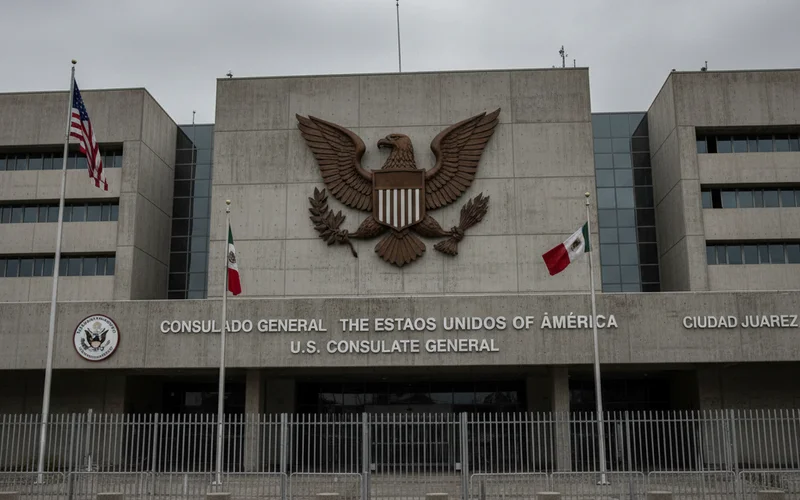
Once USCIS approves your provisional application, the final phase of your green card journey involves consular processing at a United States embassy or consulate in your home country. This mandatory step completes the immigrant visa issuance process, allowing you to reenter the United States as a lawful permanent resident, overcoming the 3 year 10 year bar immigration hurdle.
Leaving the United States for an embassy interview can feel nerve-wracking even with an approved waiver in hand. We prepare our clients thoroughly for every stage of their consular trip so they know exactly what questions to expect and what documents to bring.
Preparing for Your Embassy Interview
Preparing for an embassy interview requires assembling an organized package containing original civil documents, police certificates, financial support evidence, and the official waiver approval notice. Consular officers verify all underlying relationships and review your background before granting an immigrant visa.
During the interview, the officer confirms that grounds of inadmissibility listed on your approved waiver match your actual record. Having an approved Form I-601A protects you from being refused entry based on past unlawful presence, ensuring smooth visa issuance.
- Gather original birth certificates, marriage certificates, and police clearance records.
- Bring printed copies of your Form I-601A approval notice and interview appointment letter.
- Ensure Form I-864 Affidavit of Support documents and recent tax transcripts are updated.
- Review past entry and exit dates to answer officer questions accurately.
Complete Medical Clearance Requirements
Prior to attending your consular interview, you must complete a mandatory medical examination with an authorized panel physician in the host country. The panel physician conducts physical exams, reviews vaccination records, and screens for communicable diseases of public health significance.
Failing to complete the medical examination with a designated panel doctor or missing required vaccinations can cause delays in visa processing. The panel physician seals results in a confidential envelope or transmits them electronically to the embassy.
Handling Final Immigrant Visa Issuance
Upon successful completion of your interview and medical clearance, the consular officer approves your immigrant visa. The embassy prints the immigrant visa foil inside your passport and returns it to you via courier along with a sealed visa packet or digital endorsement.
When you travel back to the United States and present your immigrant visa at the port of entry, border officers admit you as a lawful permanent resident. Your official green card is subsequently mailed directly to your Houston home address within a few weeks of arrival.
Options for Adjustment of Status and Voluntary Departure
While consular processing with a waiver is the standard path for many, certain individuals qualify to complete their green card process entirely within the United States through adjustment of status. Exploring whether you qualify for domestic adjustment protects you from needing to travel abroad or facing a 3 year 10 year bar immigration trigger.
In cases where removal proceedings have commenced, seeking voluntary departure or pursuing court-based waiver relief provides protection against formal deportation orders. Knowing every defensive tool allows us to defend Houston residents facing immigration enforcement.
Protection Under Section 245i Rules
Section 245(i) of the Immigration and Nationality Act offers a unique grandfathering provision for individuals who had a qualifying visa petition or labor certification filed on their behalf on or before April 30, 2001. If you qualify under Section 245(i), you can adjustment of status inside the United States despite having entered without inspection or accumulated unauthorized stay.
Qualifying under Section 245(i) requires paying a statutory penalty fee alongside your adjustment application, but it eliminates the requirement to exit the country and face a reentry bar. This grandfathered protection remains one of the most valuable remedies in immigration law.
Voluntary Departure Orders and Legal Consequences
If an undocumented individual faces removal proceedings in immigration court, requesting voluntary departure can avoid severe statutory penalties associated with a formal order of deportation. A formal deportation order imposes a mandatory 5-year, 10-year, or 20-year bar to reentry that applies in addition to any unauthorized presence bars.
Granting voluntary departure allows the individual to leave the United States at their own expense within a specified timeframe. However, failing to depart within the exact period granted by the immigration judge carries monetary fines and creates a 10-year statutory bar to many forms of relief.
Inadmissibility Relief in Immigration Court Removal Proceedings
Individuals who are already in removal proceedings before an immigration judge can apply for defensive waivers directly in court. If an individual is eligible for adjustment of status in court, they can file Form I-601 to waive unlawful presence inadmissibility directly before the judge.
Having an experienced trial attorney from our deportation defense practice ensures your testimony and evidence are presented effectively in court. We stand beside Houston community members in immigration court every day, fighting to keep families together.
Practical rule: Failing to depart within the granted voluntary departure window converts the order into a formal removal order with severe monetary fines.
Overcoming the Reentry Bar and Securing Your Legal Future
Understanding a 3 year 10 year bar immigration issue is the first step toward taking control of your legal status. With proper planning, structured hardship documentation, and experienced legal guidance, thousands of immigrant families have successfully overcome statutory barriers to secure permanent residency.
I know what it means to build a life in Houston while longing for permanent security. At Zavala Immigration Law Firm, we treat every case with the personal care, respect, and dedication it deserves. You do not have to carry the burden of immigration uncertainty alone when working through a 3 year 10 year bar immigration situation.
| Question | Answer |
|---|---|
| What triggers a 3 year or 10 year reentry bar? | The penalty is triggered when an individual who accrued more than 180 days (3-year bar) or 365 days (10-year bar) of continuous unlawful presence physically departs the United States. |
| Can I apply for an I-601A waiver inside the United States? | Yes, eligible immediate relatives of U.S. citizens or permanent residents can file Form I-601A to request a provisional waiver before leaving the U.S. for their embassy interview. |
| Who counts as a qualifying relative for extreme hardship waivers? | A qualifying relative includes a U.S. citizen or lawful permanent resident spouse or parent. Children do not qualify directly for this specific waiver. |
| Does DACA stop the accrual of unlawful presence? | Yes, time spent with valid DACA protection pauses the accumulation of unlawful presence, though it does not erase prior unauthorized time accrued after age eighteen. |
| What happens if I leave without an approved provisional waiver? | Departing without an approved waiver triggers the reentry bar automatically, requiring you to file Form I-601 from abroad and wait outside the U.S. during processing. |
| Can I seek adjustment of status if I entered with a visa and overstayed? | If you entered with a valid visa and are an immediate relative of a U.S. citizen, you may qualify for adjustment of status without leaving or triggering a bar. |
| How do I prove extreme hardship for my waiver petition? | Proving extreme hardship requires submitting detailed medical records, financial documentation, country condition reports, and psychological evaluations showing severe impacts on your qualifying relative. |
Taking the Final Steps Toward Permanent Residency in Houston
Taking action today protects your family’s future in the United States. Call our dedicated legal team at (713) 974-8284 or visit our contact page to schedule your initial consultation. Let Zavala Immigration Law Firm guide you safely through the waiver process toward lasting permanent residency.
About Eliud Zavala, Eliud Zavala is the founder of Zavala Immigration Law Firm in Houston, Texas. Having immigrated to the United States with his mother from Monterrey, Mexico, Eliud understands the emotional and legal struggles immigrant families experience. He built his practice around serving the Houston immigrant community, guiding individuals and families through family-based immigration, marriage green cards, provisional waivers, deportation defense, and citizenship.